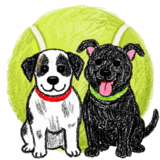
A little attention. A better first impression.
Better photos for dogs waiting for a home
A rescue dog's photo should show the dog, not the clutter of a kennel or the blur of a hurried moment. SqueakSnap was built to help take quality pictures of rescue dogs in the hope of making them more adoptable. A clear portrait gives someone browsing an adoption listing a chance to notice an expression, a distinctive marking, or a wonderfully lopsided ear.
The goal is not a perfect pose. It is an honest, comfortable moment. Start somewhere quiet, let the dog explore with their handler, and look for soft daylight. Keep any required leash attached. A dog who can choose to look away or take a break is more important than a photo with eye contact.
Visit adoptpaul.com to see some rescue dogs we are championing, or read our story.
An interesting sound, not a louder one
A brief, unfamiliar sound can prompt a dog to glance toward its source. That gives a photographer an opportunity for a portrait, but it is not a promise: some dogs ignore squeaks, and others find them worrying. Try a quiet sound from a comfortable distance and watch the whole dog, rather than judging the reaction by a head tilt alone.
If the dog turns toward you with a loose body, take a photo and reward them. If they flinch, freeze, tuck their tail, or move away, stop the sound. Switch to a calm voice or an approved treat offered by the handler. Repeating the same noise louder is not a solution to discomfort.
Make the light do the work
Open shade and a large window are useful starting points because they light a face without the harsh shadows of direct midday sun. Get down near the dog's eye level and leave a little space around the ears. Move yourself to simplify the background instead of repeatedly moving the dog. For dark fur, check that both eyes are visible; for white fur, check that the brightest patches still show detail.
Choose a useful set, not just one favorite
For an adoption listing, aim for a clear face portrait, a full-body picture, and a relaxed activity the dog actually enjoys. Those images answer different questions: what does this dog look like, how big are they, and what might spending time together feel like? Do not use a staged interaction as evidence that a dog is safe with children or other animals. The rescue's assessment and adoption process still come first.
Before sharing, look at each picture at full size. Discard blurred frames, choose a natural-looking exposure, and crop out private details such as kennel paperwork or a handler's name badge. Keep an unedited copy. A helpful caption names the dog, describes an observed moment, and links to their current official listing.
From the photo guides
All guidesHow to Get Your Dog to Look at the Camera
Sounds, treats and timing tricks that turn a distracted dog into a perfect portrait.
Photo Tips for Shelter and Rescue Dogs
A great photo can be the first step to a forever home. Simple ways volunteers can help dogs shine.
Understanding Dog Body Language Behind the Lens
Look beyond a head tilt: notice the whole dog, recognize discomfort and know when to stop a photo session.
Dog photography questions
What if my dog ignores the squeak?
Wait rather than repeating it continuously. Let your dog settle, try an approved treat near the lens, or photograph them enjoying something else. Eye contact is only one kind of good photo; a relaxed profile or a moment of play can be just as expressive.
How long should a photo session last?
Keep it brief and follow the dog, not a timer. Pause while they are still comfortable. Sniffing, water, shade, and time with their handler matter more than finishing a shot list. Puppies and nervous dogs may need only a few photos before a break.
Which phone camera settings help?
Use the normal photo mode as a starting point, clean the lens, and find brighter, softer light. If your phone's camera supports focus and exposure adjustment, set those on the dog's face. Use its native burst mode for movement; portrait effects can blur fur, whiskers, or ears, so inspect the result.
Can a good photo guarantee an adoption?
No. A photo can show a dog clearly, but adoption depends on many things, including a suitable match and the rescue's requirements. Describe the dog honestly, keep the listing current, and direct interested people to the rescue rather than promising an outcome.
Where can I learn more about safe handling?
Start with the shelter or rescue's own handling rules. Our body-language and nervous-dog guides include further reading, but they are not a substitute for advice from the dog's care team. Stop a session if the dog appears uncomfortable, and ask the handler what to change.